
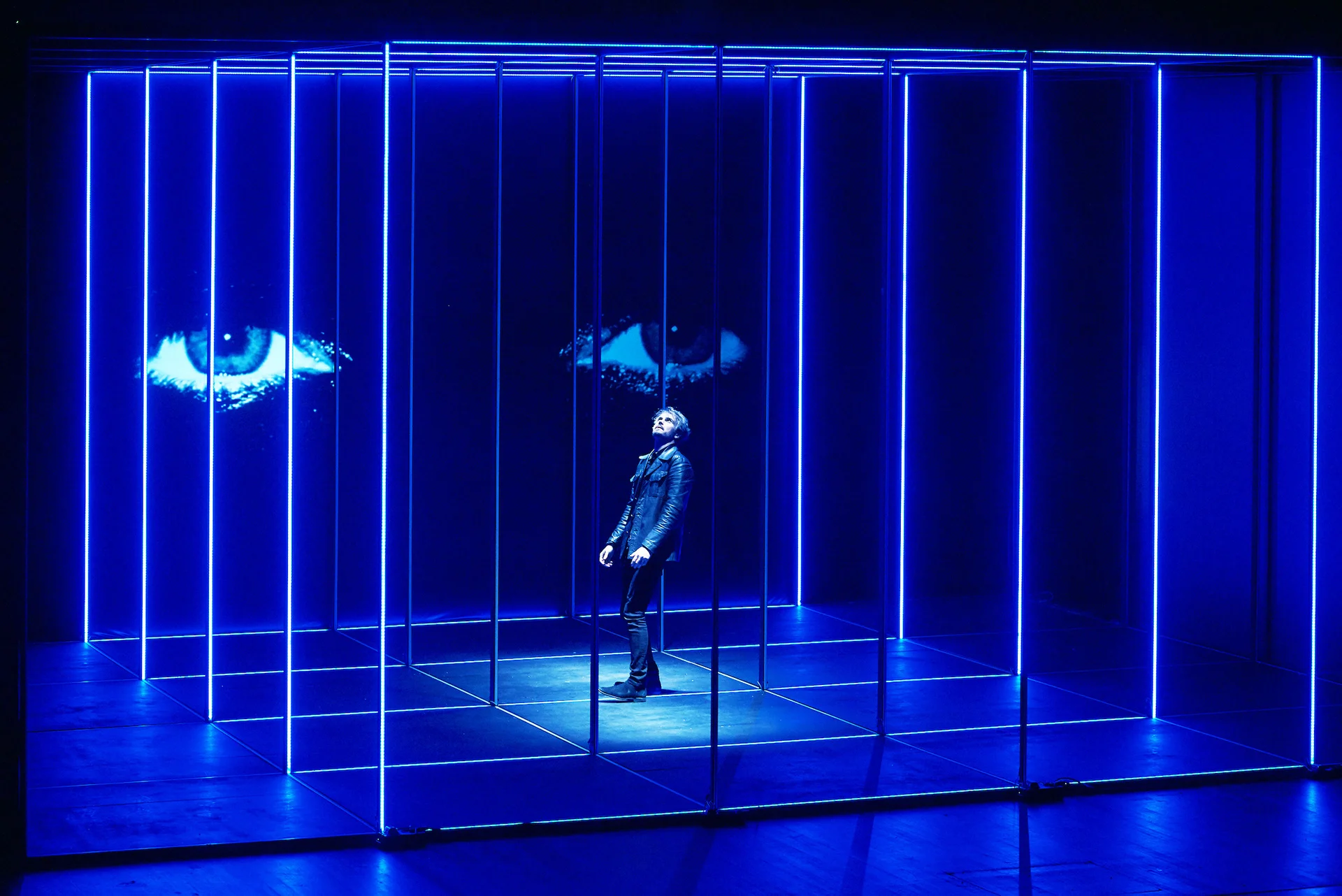
Sometimes we get enfeverished by our nostalgic feeling. Perhaps at the end of every cycle or so. People very close to us die; old, well-known sidewalks on which we lived out our childhoods get a new layer of cement. I don’t know how to put into words my fight against transience because I don’t even possess the courage to love death. Even though in a way we are all waiting for it. We have all imagined with whom, how and when it will happen and especially who will be attending our funeral. And whether after death we will have the opportunity to meet those who have gone before us and who we are missing dearly. We hope that one day we will all find out the answer to that. Until then, we live with our memories, we go to bed with them, have breakfast with them, with the freedom of knowing that within the past, inside our memories, everything is still possible. What nostalgia is, I don't know. All I know is that it is a beautiful feeling. A space that I look at with a prolonged smile, that makes me cry, or I observe in awe as I were looking at an imaginary doll. When I create a performance, it is inevitably about the past, about something I already knew, at least during the time I was directing it. “The book, whatever it might be about, should have a sense of lightness, which reminds us that the work itself is never something that is naturally gifted, but a need and an offering” as Eszterházy would say. It was in 2016, in the midst of a hot summer in Baia Mare that I have first read Antal Szerb's Journey by Moonlight, in an old library room reminiscent of the Ulpius house, from where I was later forced to nick Goethe’s Faust. So I have been waiting for the start of this journey now for four years, and I hope everyone who participates in it will have the opportunity to travel on their own journey within, back to a place where dreams are usually conceived and where everything is still possible and there is much hope. It will only happen once. And I'm afraid something will cease to exist inside me once it's done. Something that will push me quite close to what Mihály calls conformity. I want this performance to show a reverence for all those who have died or fallen while seizing their past. “What is youth? A dream. What is love? The content of the dream” said Kierkegaard. And time passes and we keep asking ourselves what happens to the heart? While I was working on the preparations for the production, my truest travel companion who led the process was none other than a photo depicting people I don’t know anything about today, but with whom we used to celebrate many birthdays. My friends from the panel buildings. I would like to dedicate this rehearsal process and what will become of it to them, to my grandfather, and all those moments. The moments that will always guard the taste of the soft drinks from the soda fountain, the Terenul Mare, and all those memories I search for and find less and less of today, but which provide the only refuge when I'm scared, when the feeling of death gets too close, when I have a hard time embracing the chaos of the world and that of adulthood. Botond Nagy
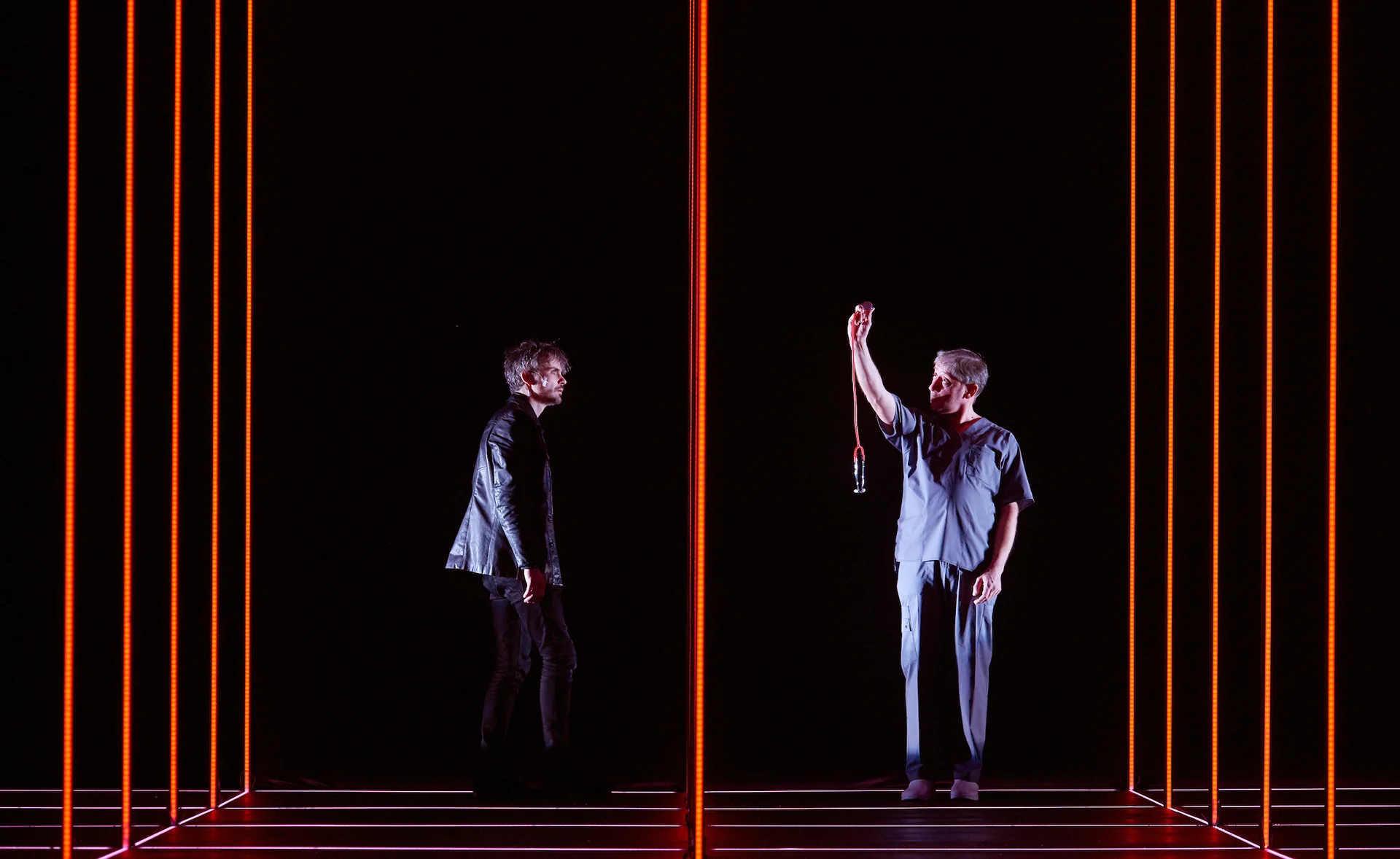
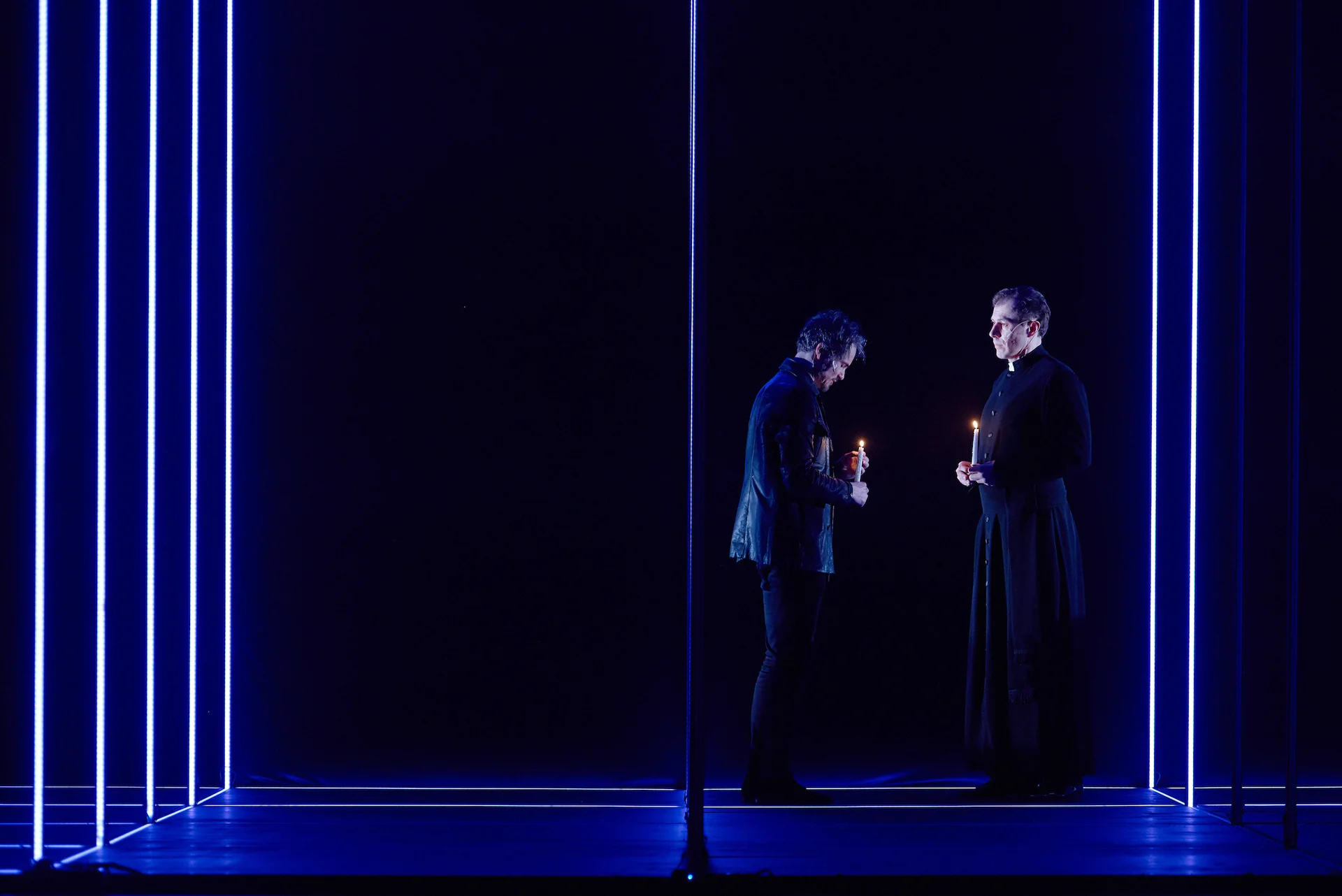
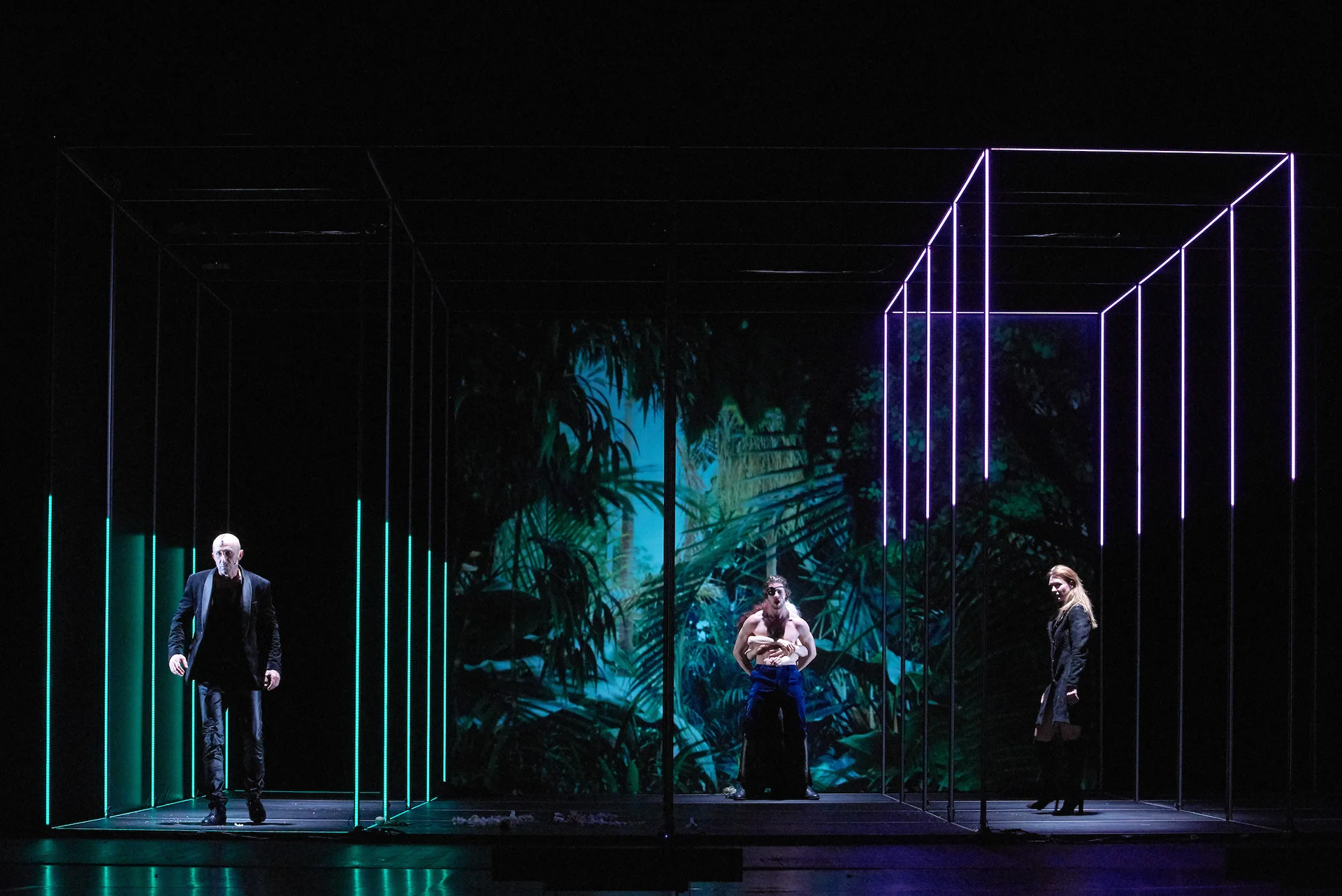
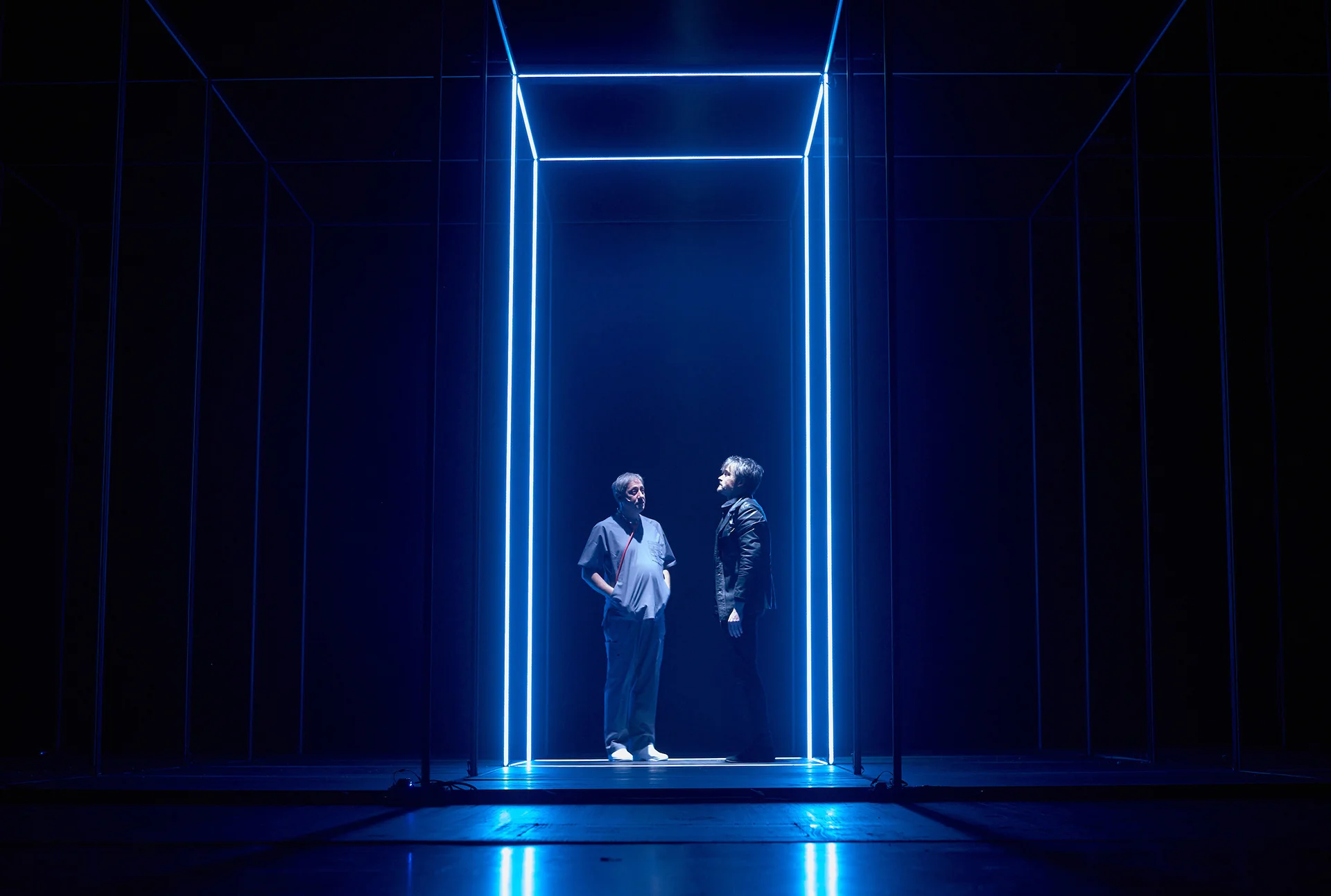
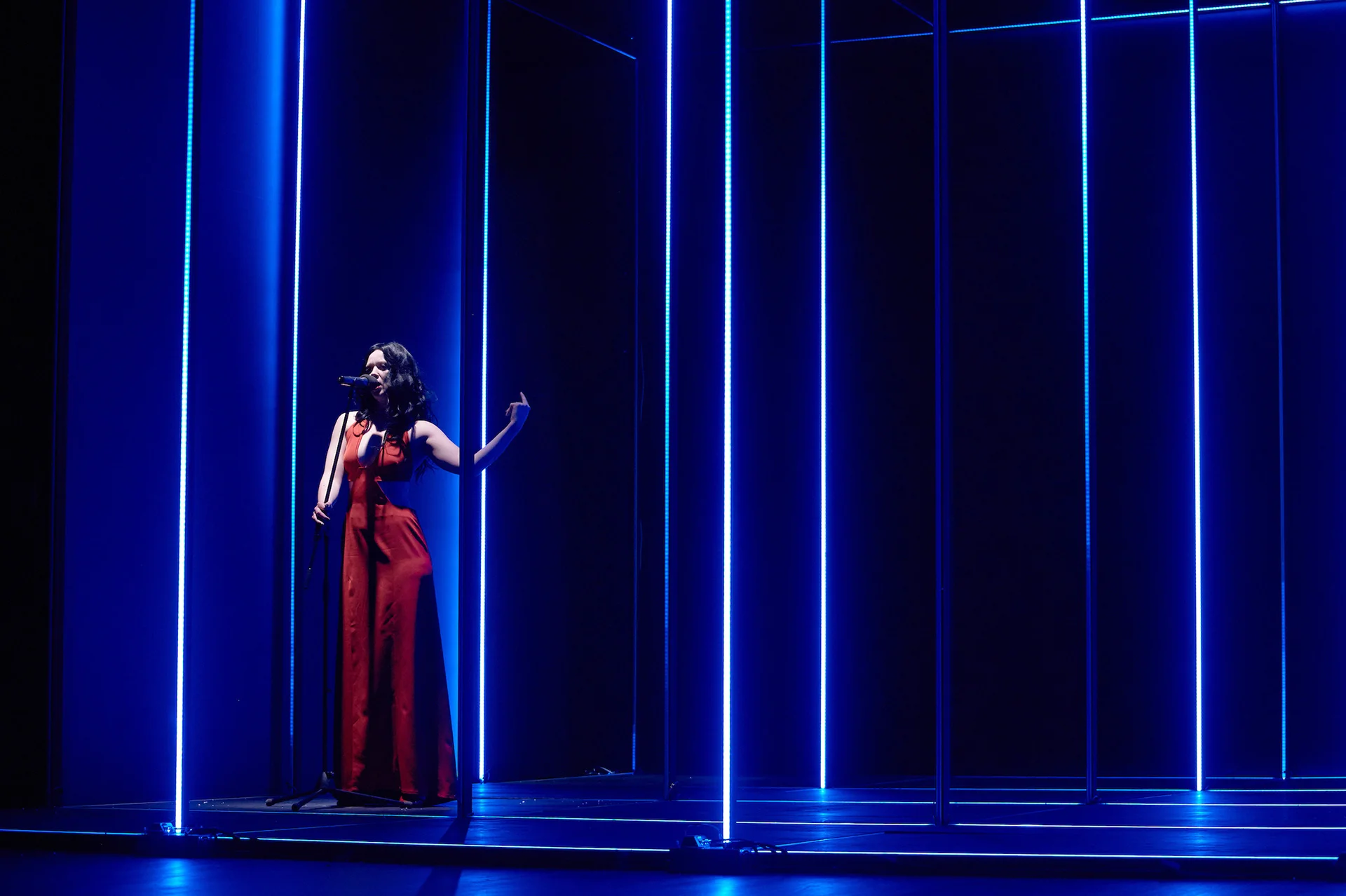
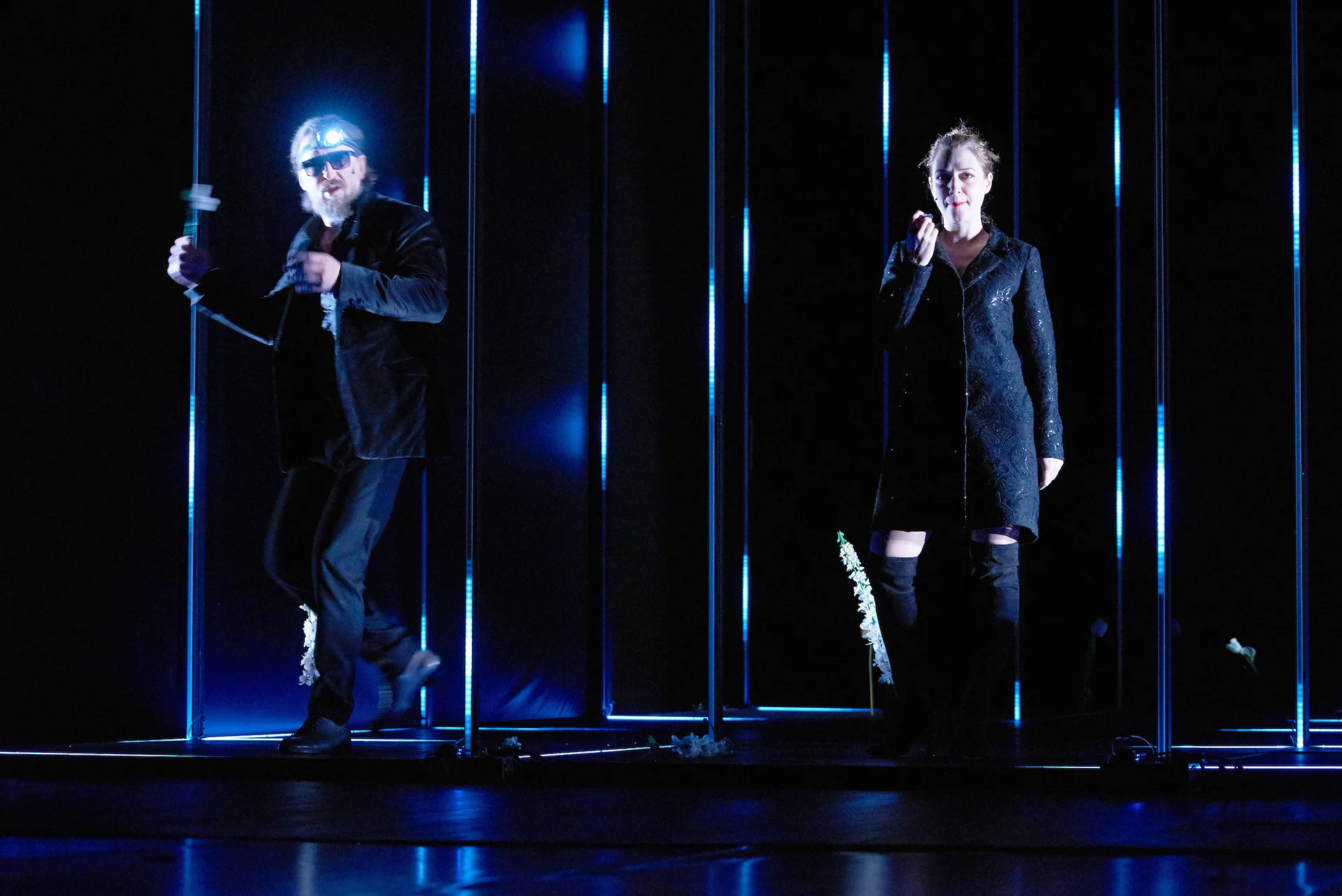
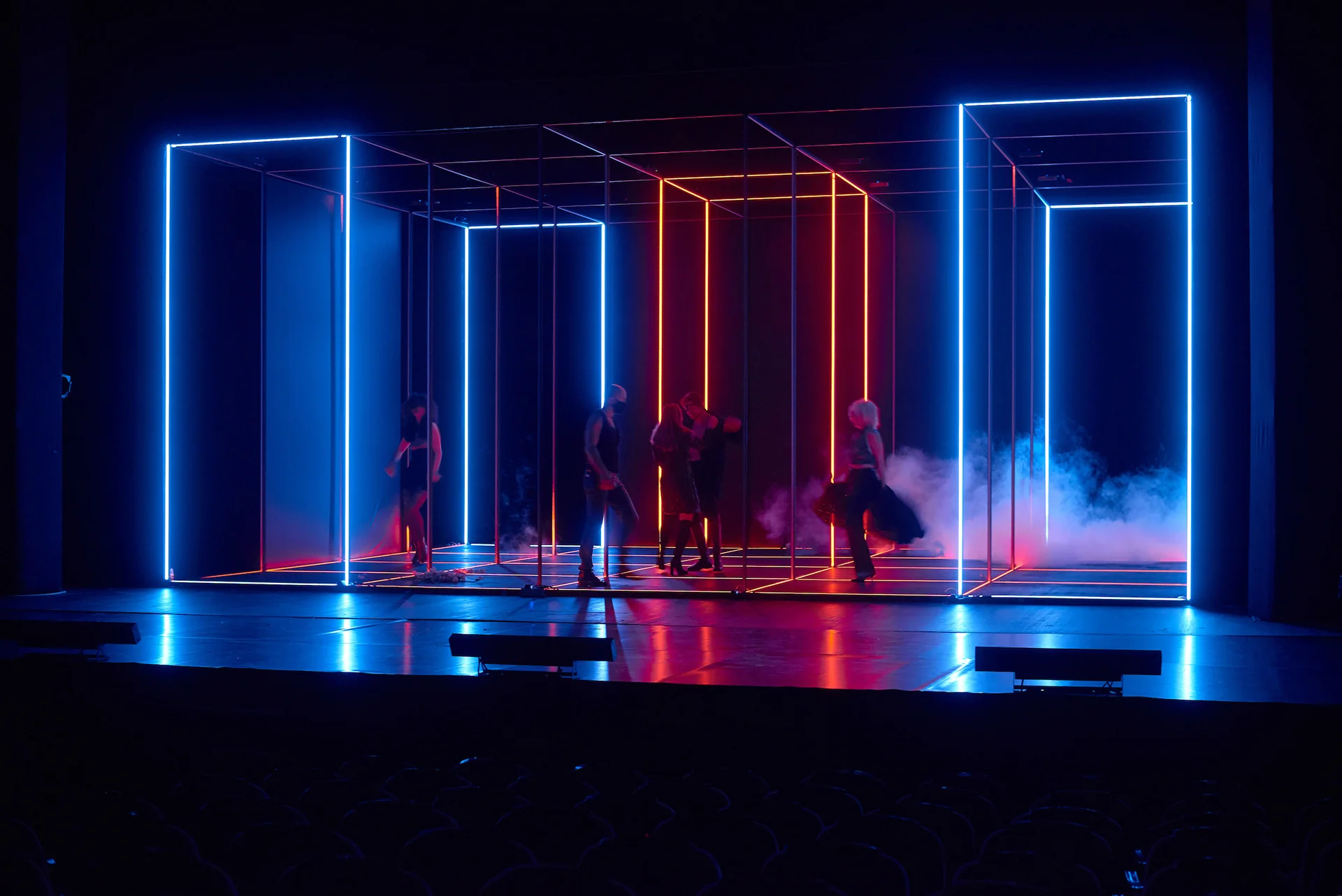
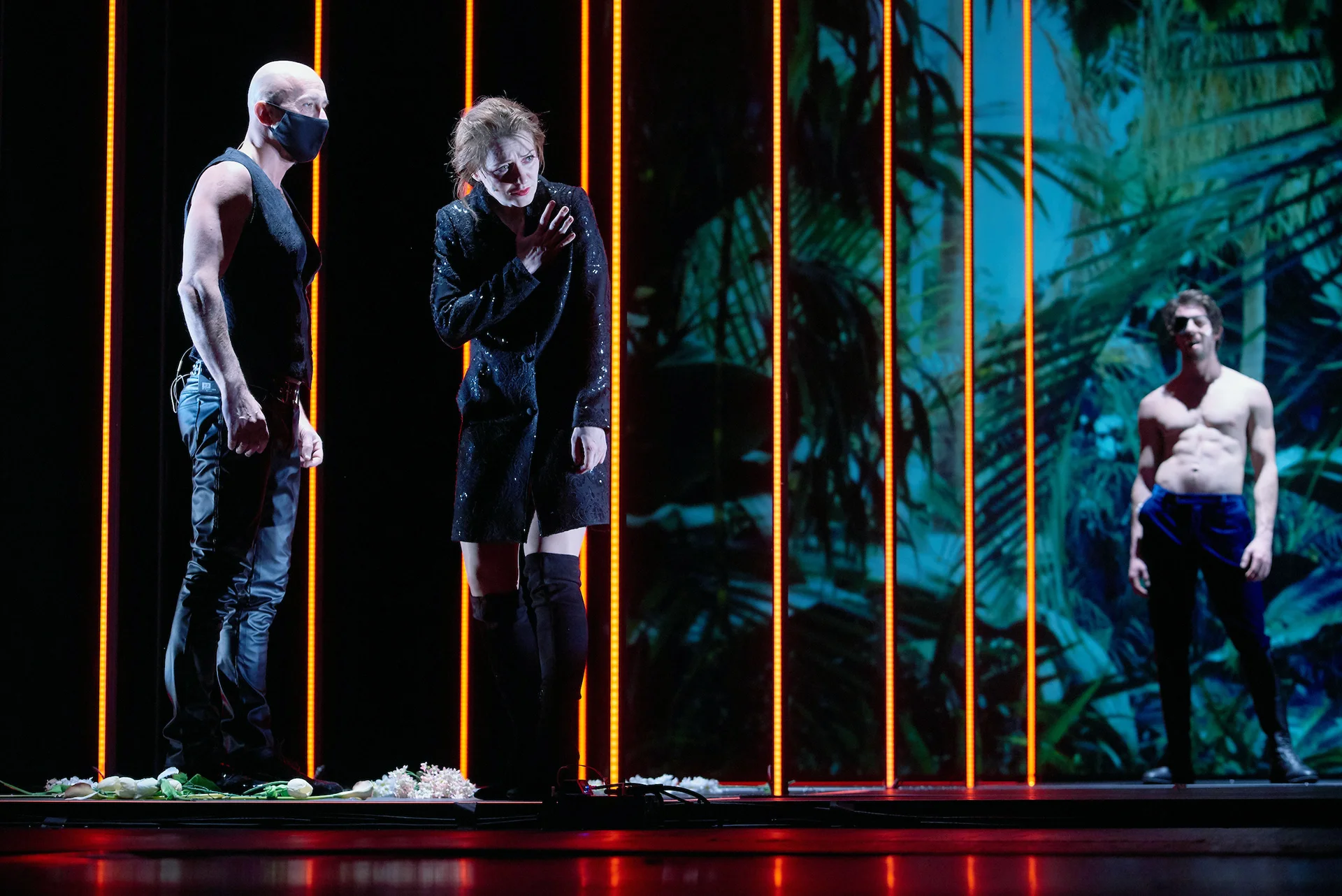
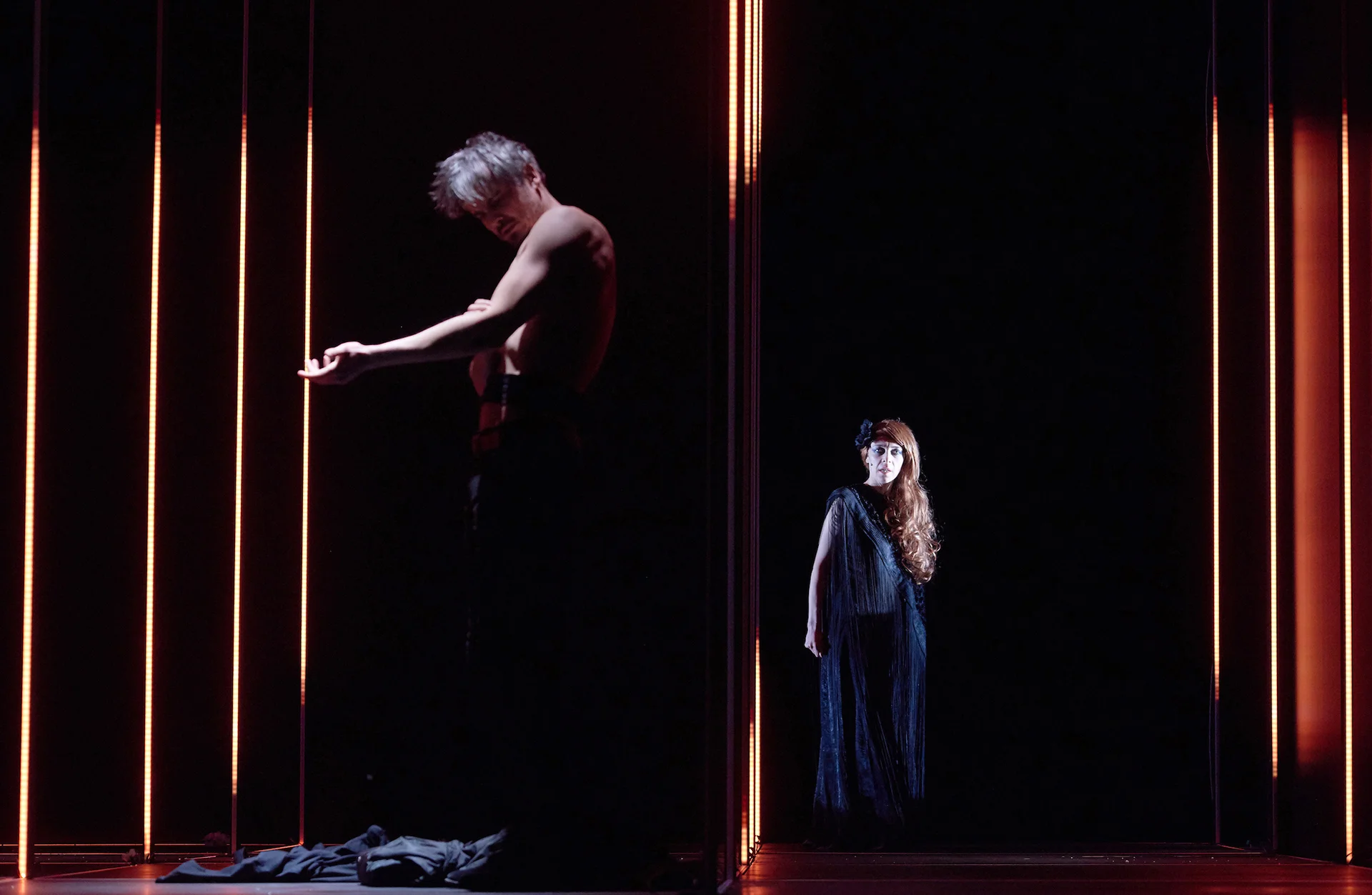
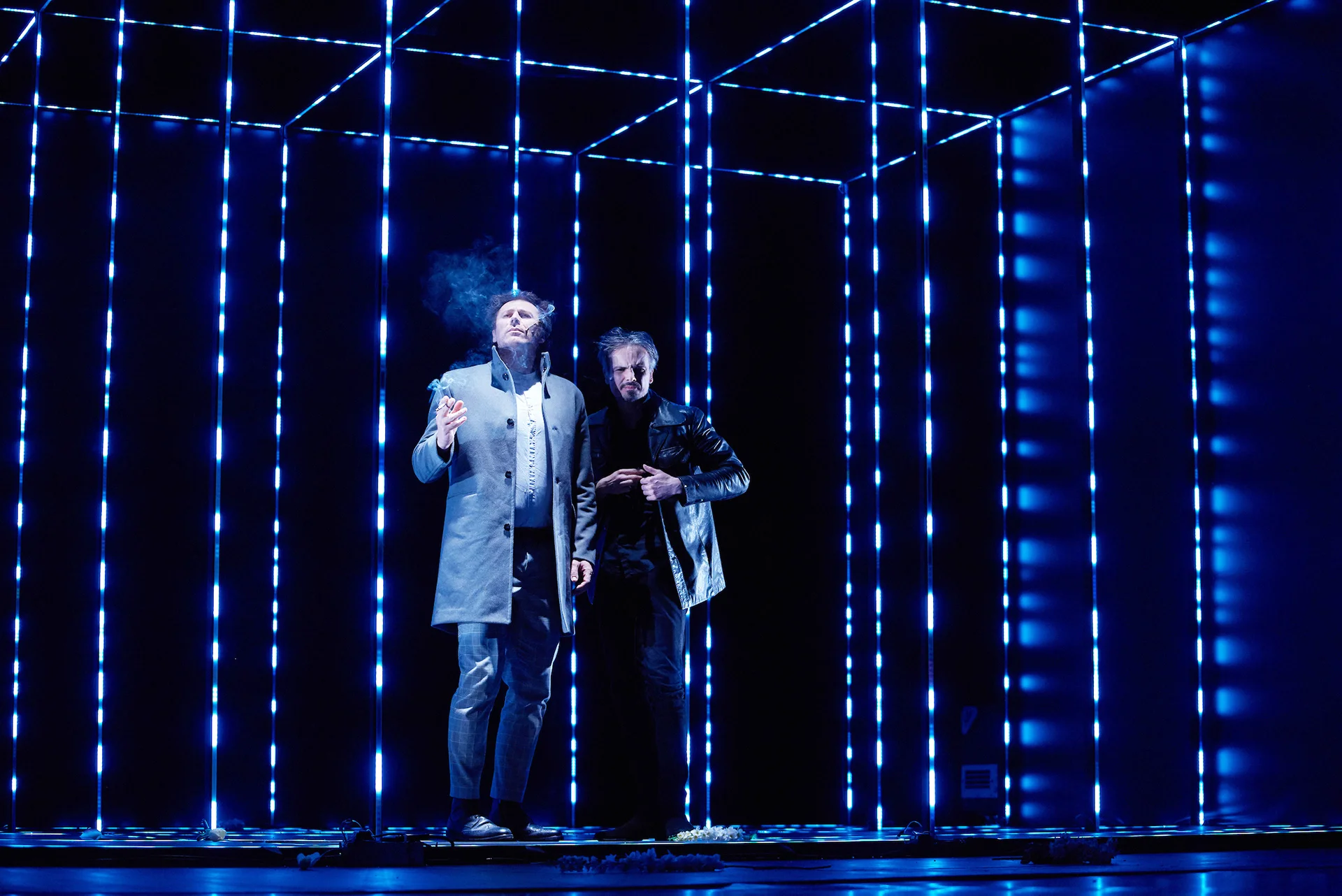
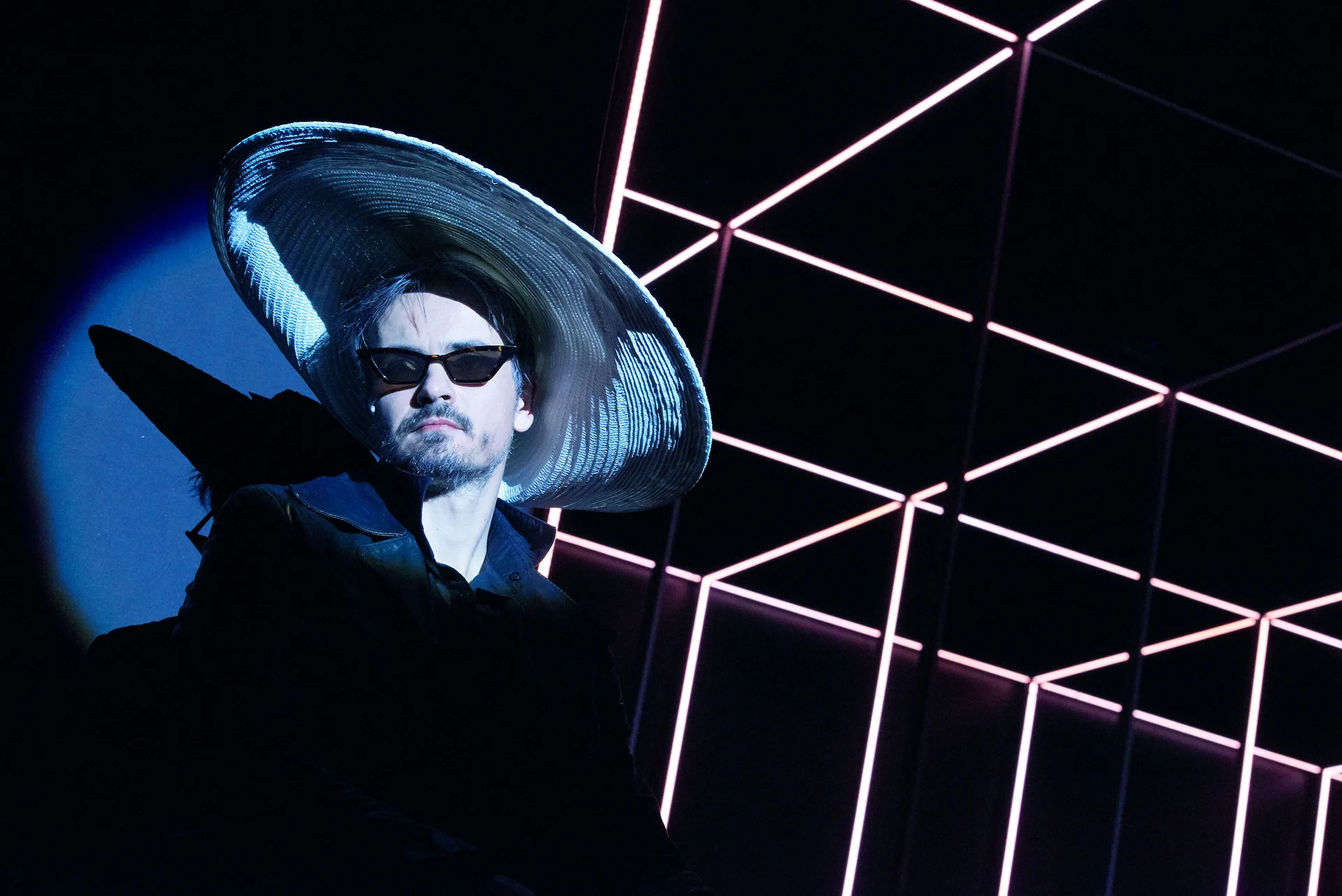
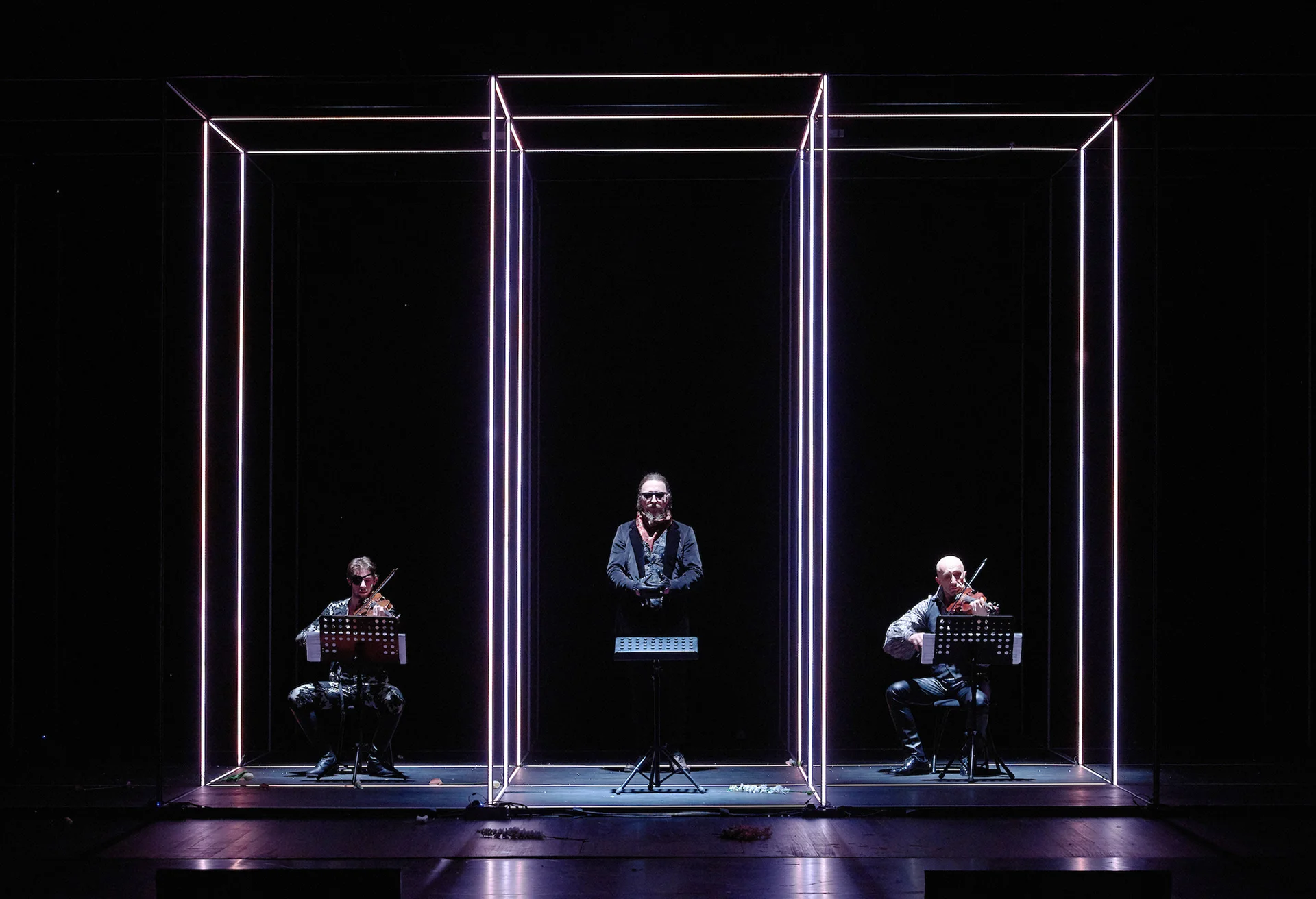
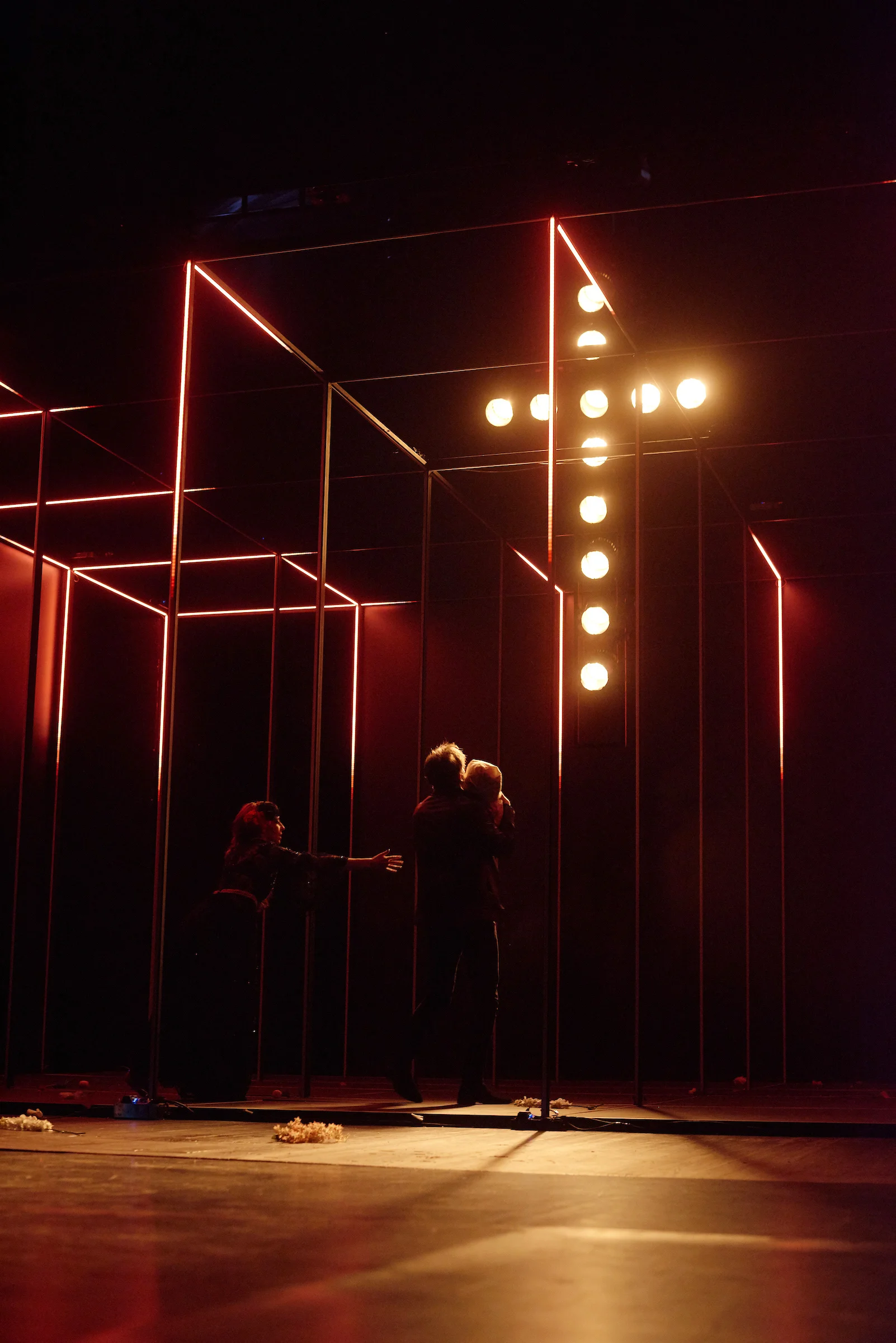
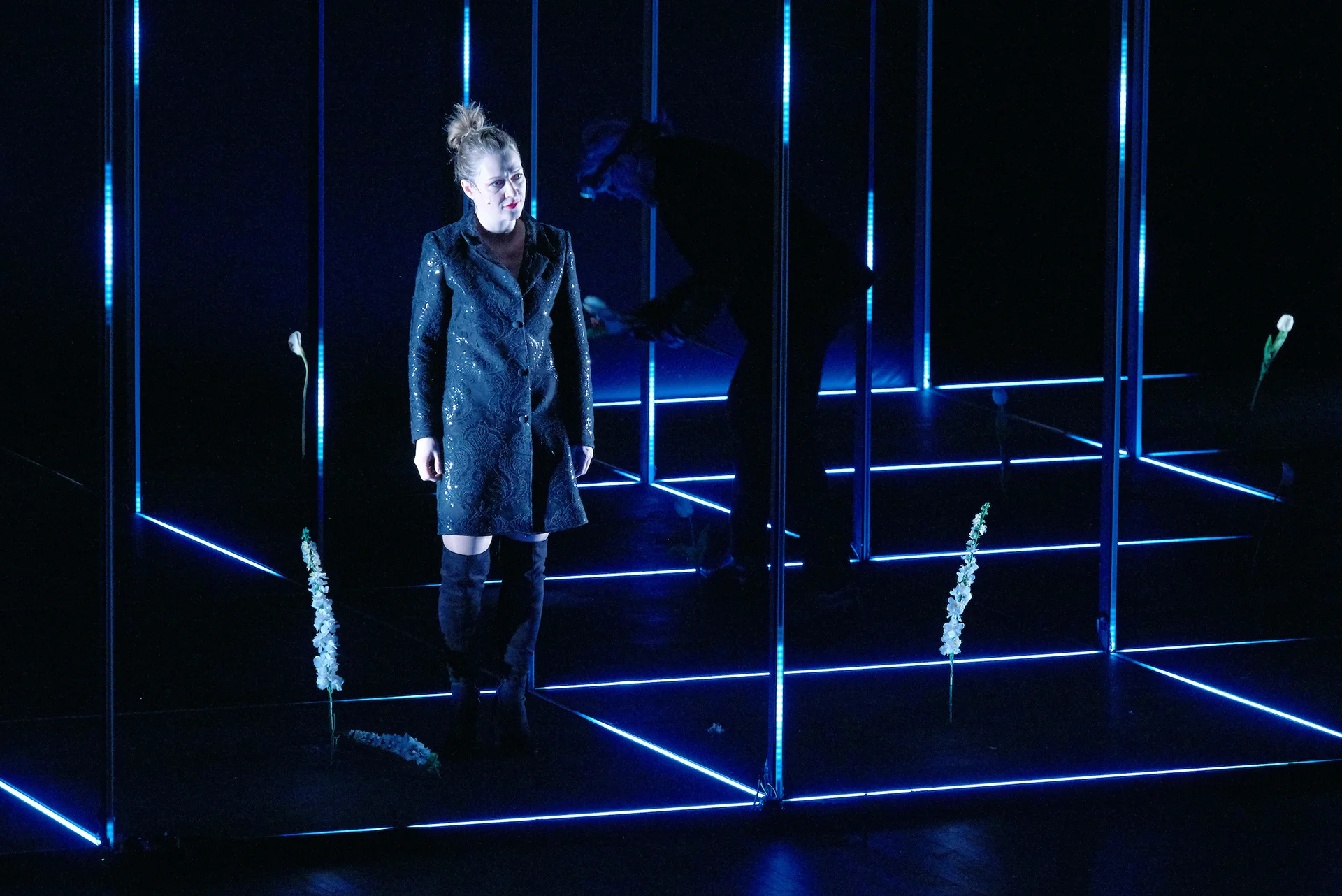
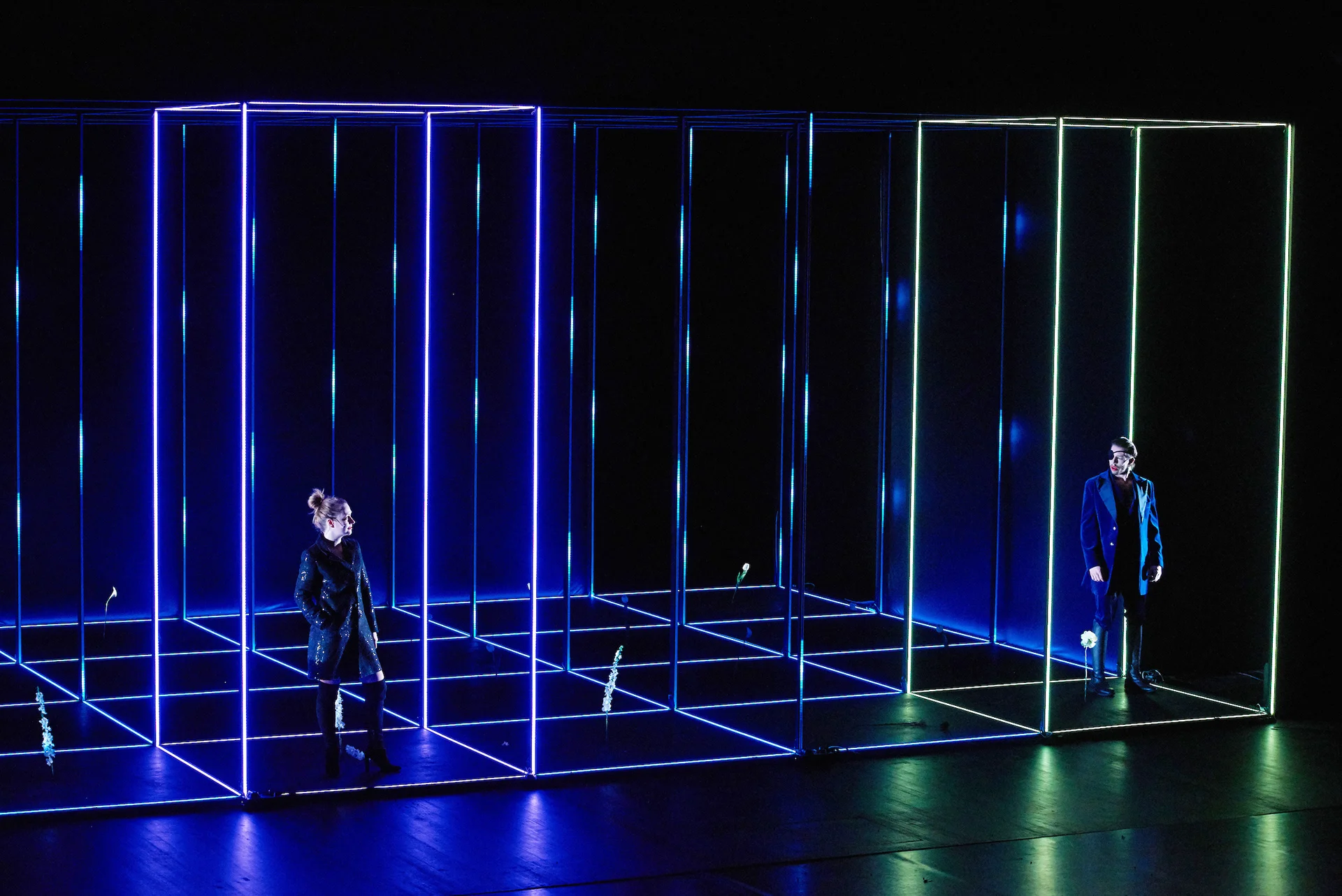
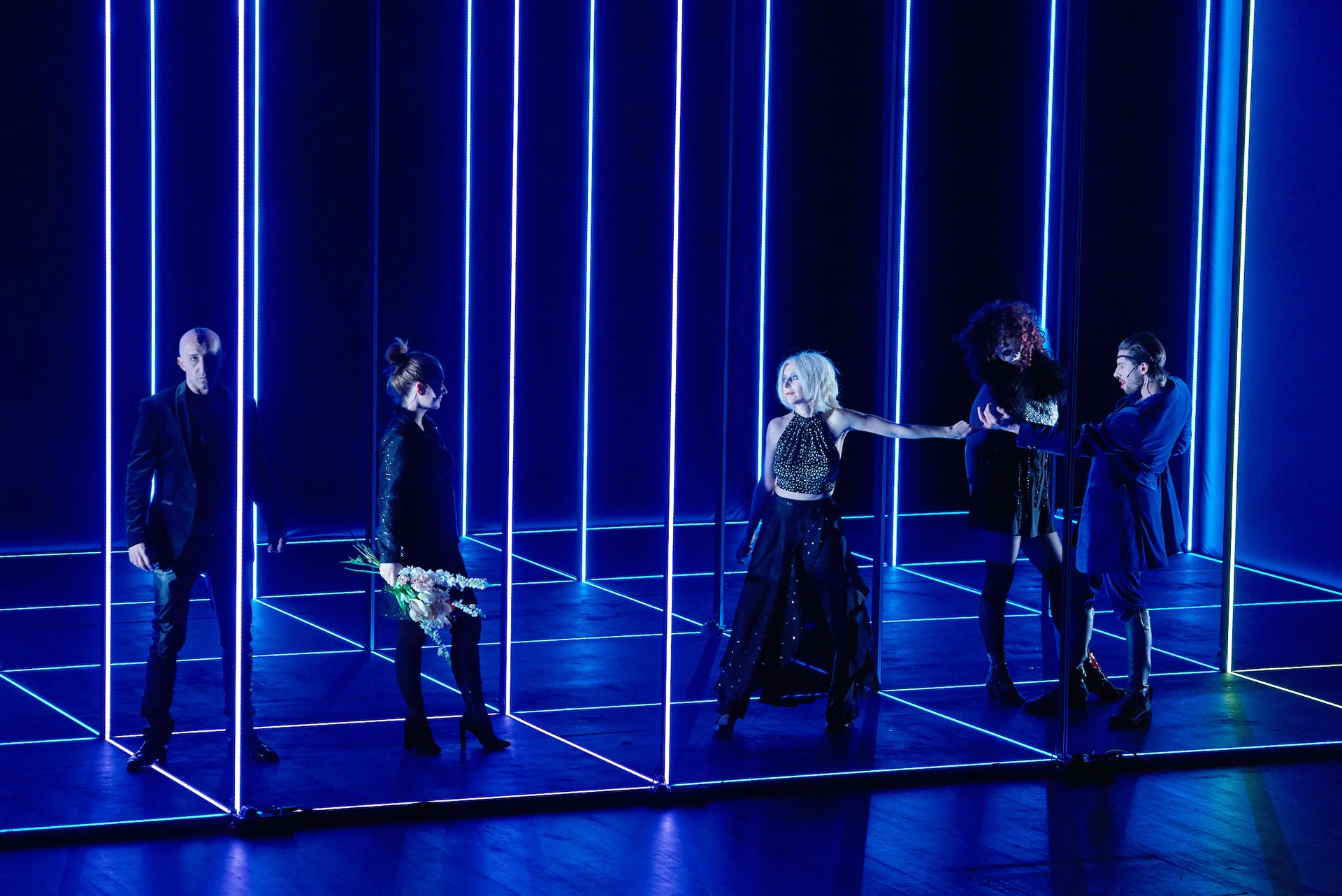
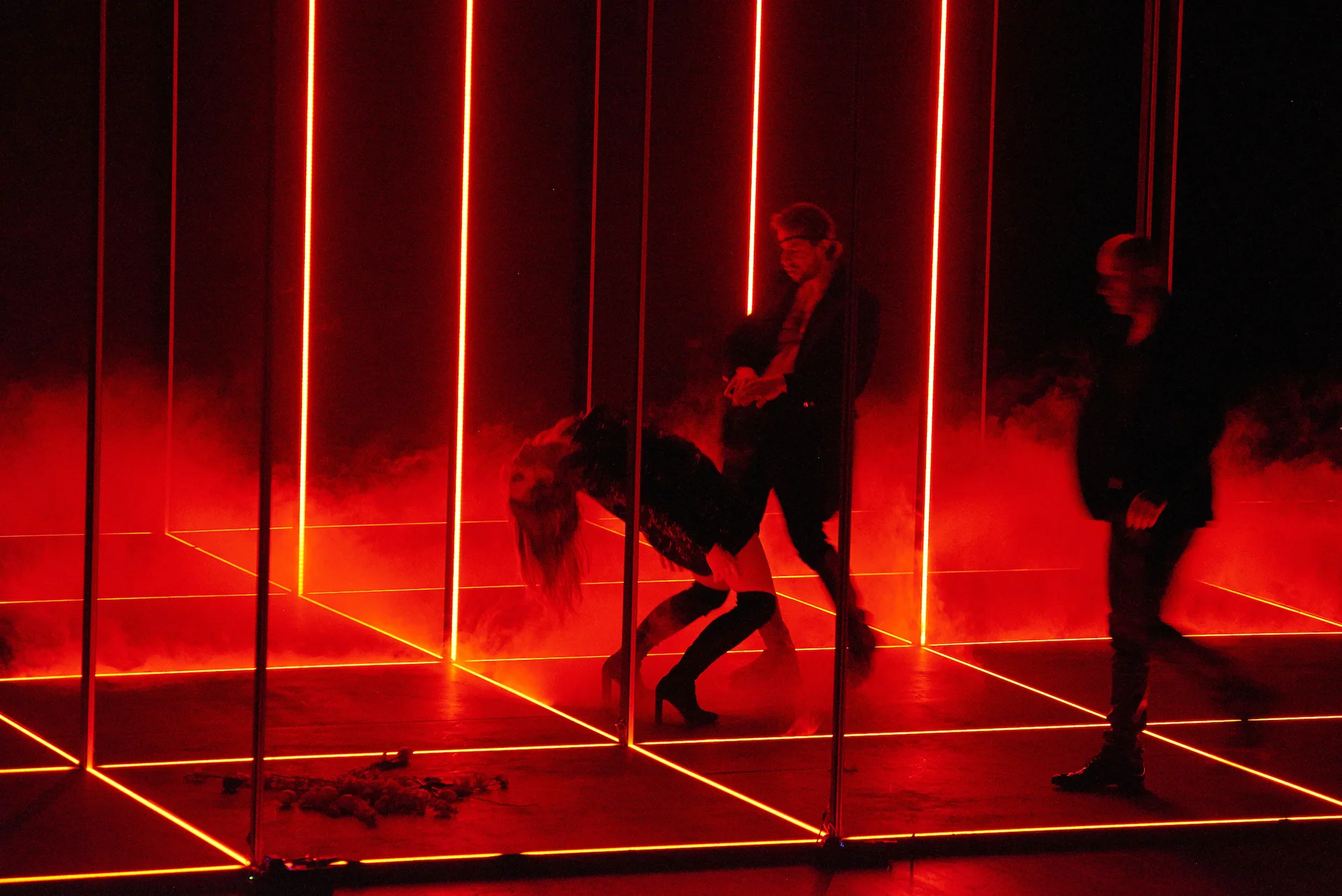
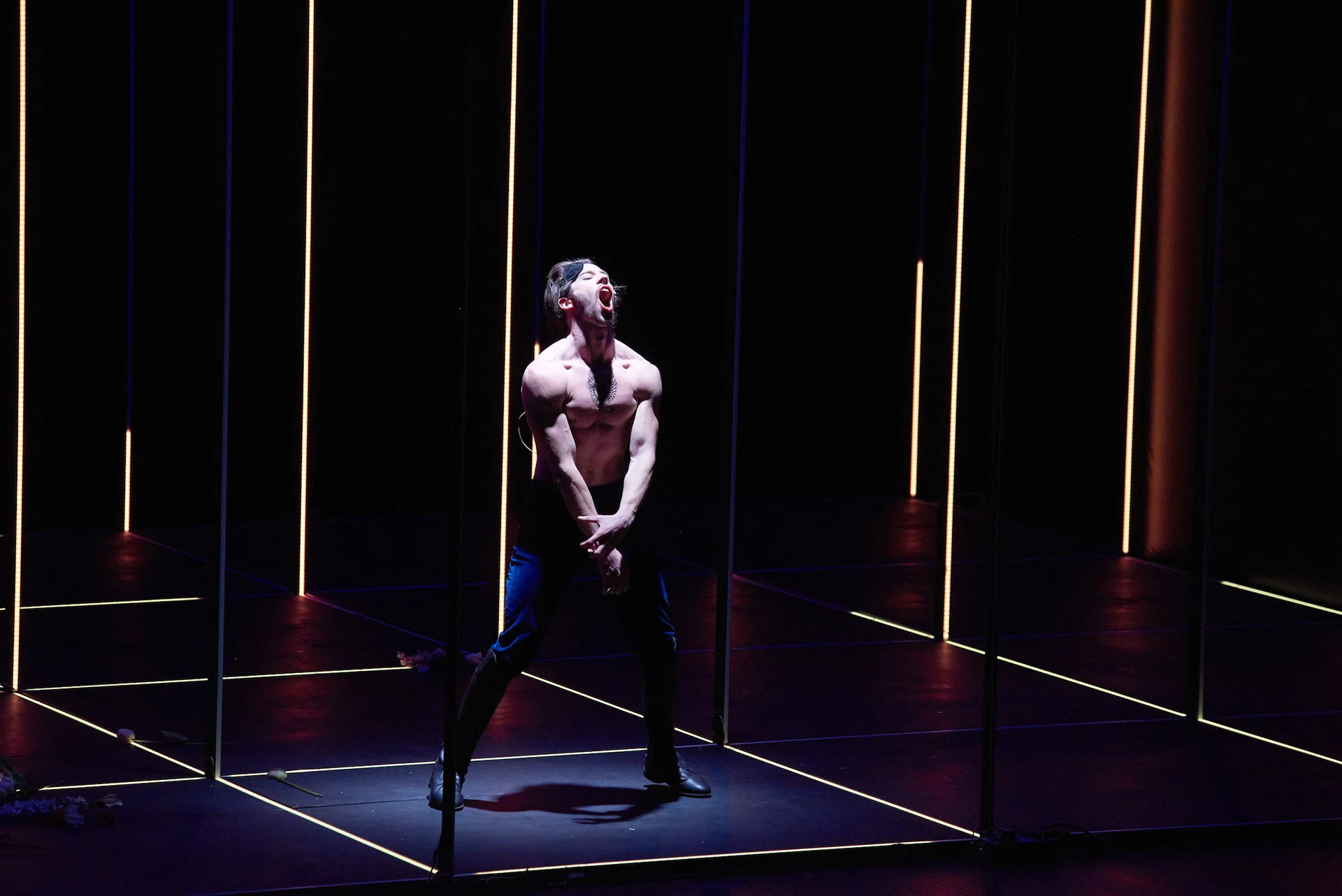
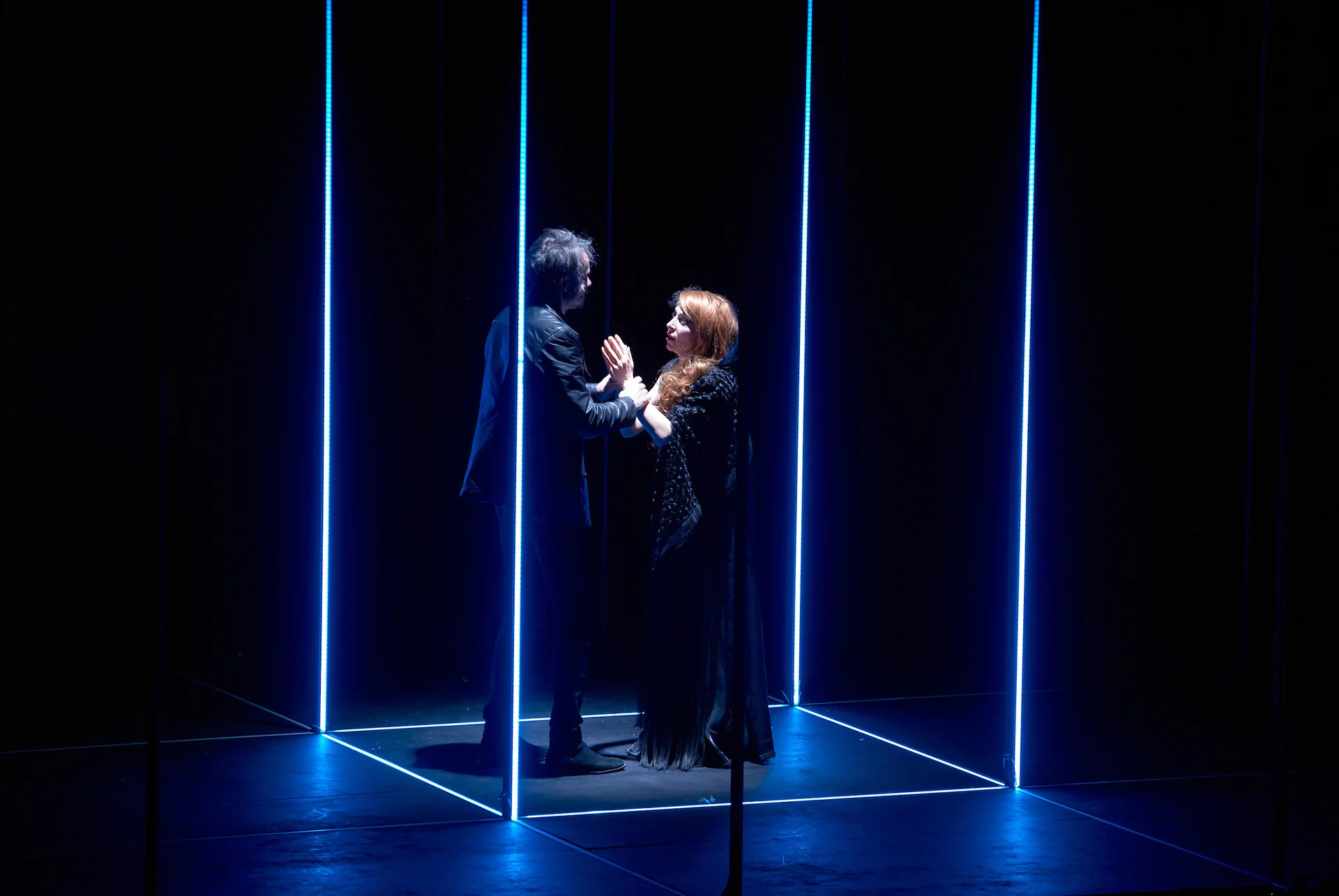
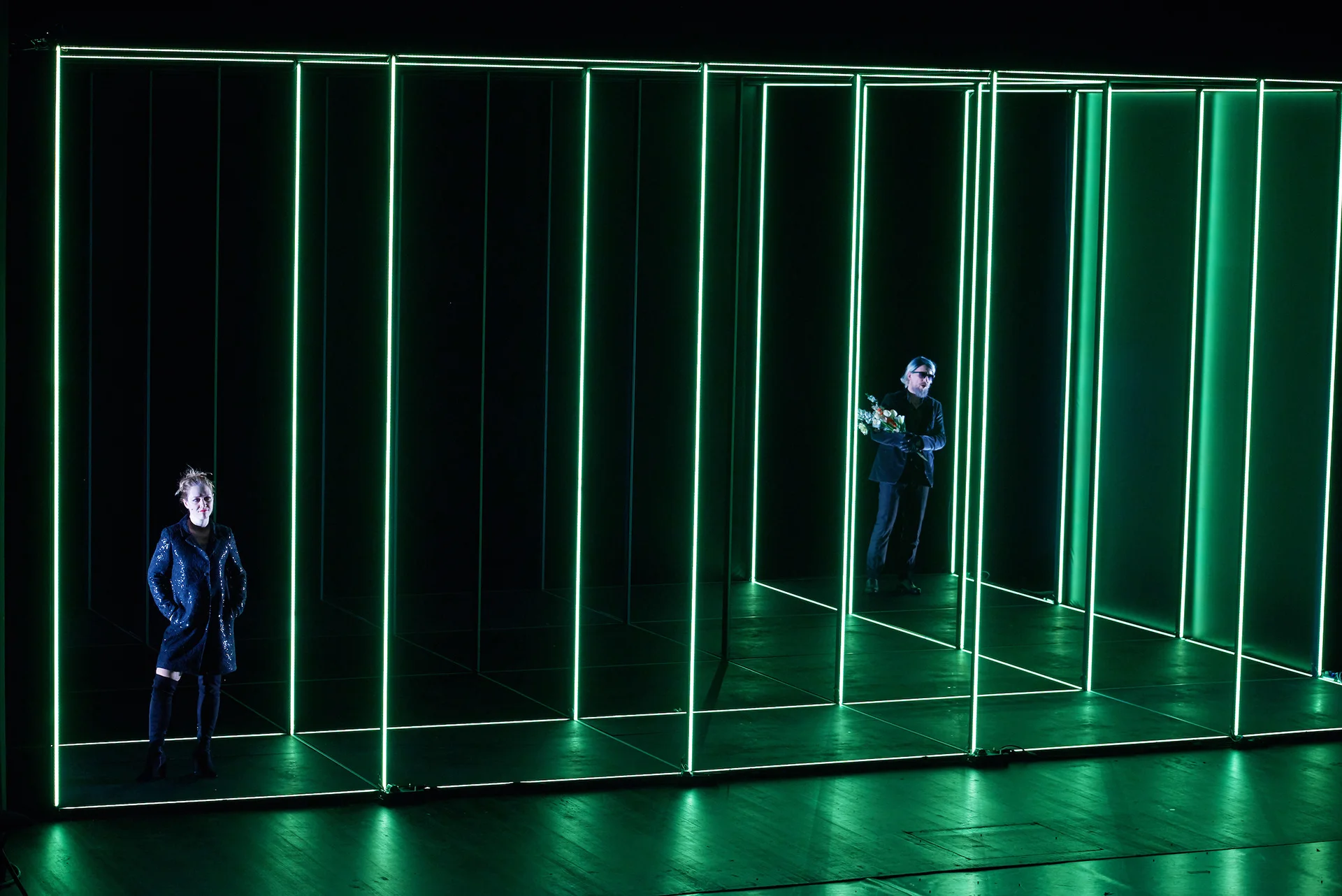
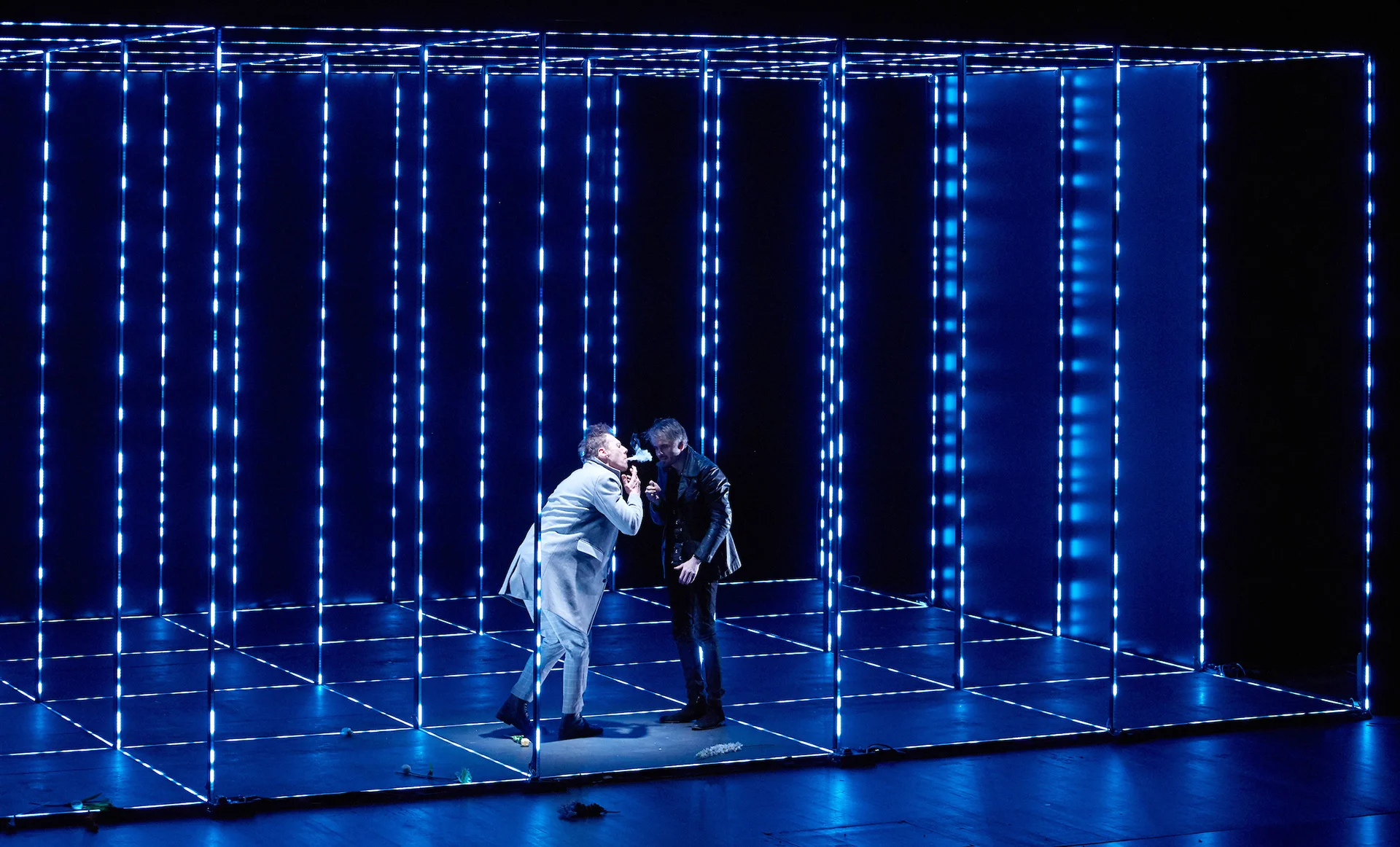
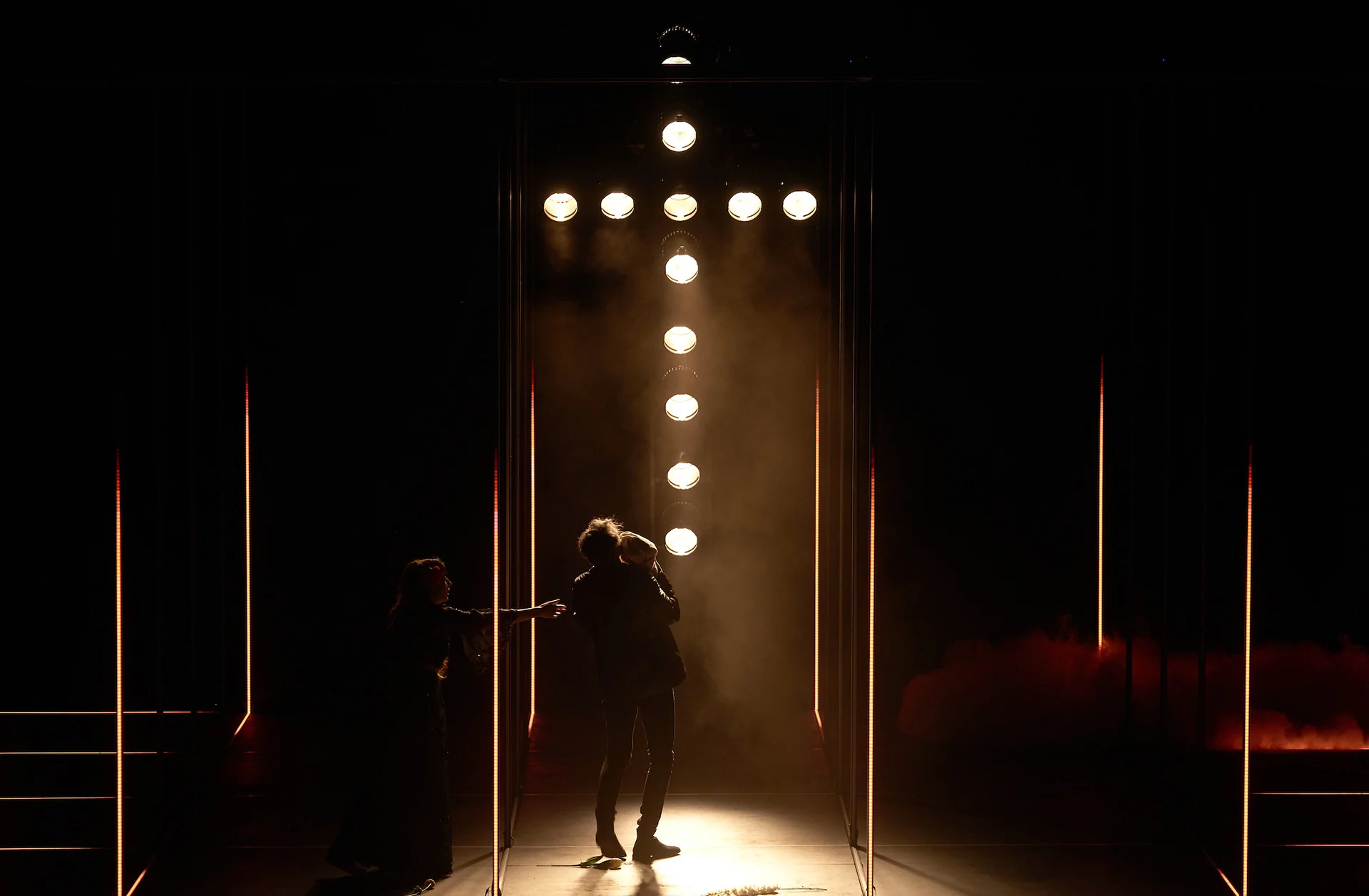
photo credit: Bíró István
Mihály BALÁZS BODOLAI Erzsi ANIKÓ PETHŐ János Szepetneki LÓRÁND VÁTA Éva Ulpius ZSUZSA TŐTSZEGI Ervin, Severinus Pater ERVIN SZŰCS Zoltán Pataki GÁBOR VIOLA Dr. Ellesley ÁRON DIMÉNY Rudi Waldheim ÁRON DIMÉNY Vanina CSILLA ALBERT Persian TAMÁS KISS Mihály's father MIKLÓS BÁCS directed by BOTOND NAGY set and costume design IRINA MOSCU LED & video design ANDRÁS RANCZ dramaturgy ÁGNES KALI music composed by CSABA BOROS light design CRISTIAN NICULESCU, GROZA ROMEO director's assistant EMŐKE B. VERES production manager TIBOR TENKEI LED-sculpture BOTOND BARDÓCZ, PÉTER BUKSA, MIHÁLY FÁBIÁN, ROMEO GROZA, LEVENTE KEREKES, DÁVID KISS, SÁNDOR MAIER stage manager ENIKŐ ALBERT